The best home drill isn’t the one with the highest torque — it’s the one you’ll actually grab for hanging shelves, assembling IKEA, and driving lags into a deck ledger. We tested eight popular cordless drills on real home tasks to find what balances power, weight, battery life, and price.
Quick Picks
| Rank | Model | Best For | Price |
|---|---|---|---|
| 🥇 | DeWalt DCD771C2 | Best overall | ~$129 |
| 🥈 | Makita XFD131 | Best value 18V | ~$149 |
| 🥉 | Black+Decker LD120VA | Best budget | ~$59 |
| 4 | Milwaukee M18 2606-20 | Most power | ~$99 (tool only) |
| 5 | Bosch PS31-2A | Lightest 12V | ~$99 |
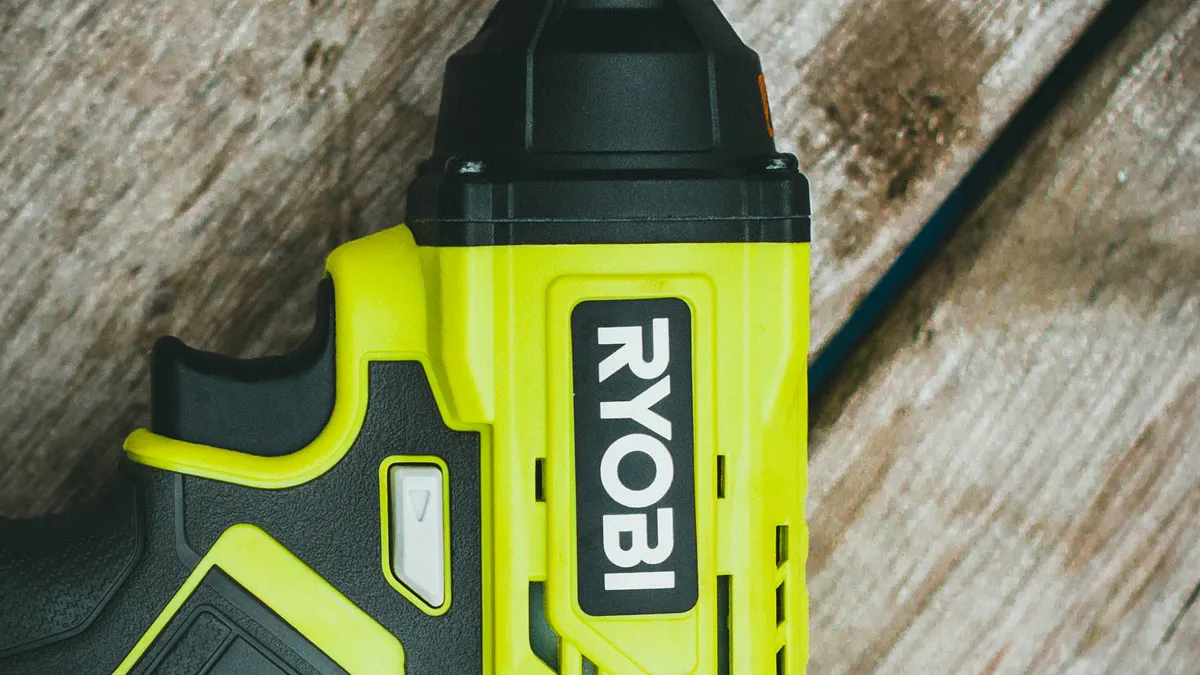
| 6 | Ryobi P1813 | Best for Ryobi ecosystem | ~$79 |
Prices checked August 2026 at major US retailers. Tool-only vs kit prices vary.
Comparison Table
| Model | Voltage | Max Torque | Weight | Chuck | Battery |
|---|---|---|---|---|---|
| DeWalt DCD771C2 | 20V | 530 UWO | 3.6 lbs | 1/2” | 2× 1.3 Ah |
| Makita XFD131 | 18V | 530 in-lbs | 3.8 lbs | 1/2” | 2× 3.0 Ah |
| Black+Decker LD120VA | 20V | 300 UWO | 3.4 lbs | 3/8” | 1× 1.5 Ah |
| Milwaukee M18 2606-20 | 18V | 500 in-lbs | 2.9 lbs | 1/2” | Tool only |
| Bosch PS31-2A | 12V | 265 in-lbs | 2.0 lbs | 3/8” | 2× 2.0 Ah |
| Ryobi P1813 | 18V | 480 in-lbs | 3.5 lbs | 1/2” | 2× 1.5 Ah |
1. DeWalt DCD771C2 — Best Overall for Home Use
Price: ~$129 (kit) | Voltage: 20V | Chuck: 1/2”
The DCD771 is the drill we recommend to friends who ask “which one should I buy?” It’s not the fastest or lightest, but it handles 95% of home tasks — drywall anchors, cabinet screws, 3/8” holes in pine, even occasional masonry with the right bit.
Pros:
- 1/2” chuck accepts larger bits than 3/8” budget drills
- Wide availability of 20V Max batteries (share with other DeWalt tools)
- Comfortable grip for extended use
- Reliable speed control at low RPM (critical for driving screws)
Cons:
- Included 1.3 Ah batteries feel small for big projects — upgrade to 2.0+ Ah ($40–$60 each)
- No brushless motor (runs warmer on long hole-saw work)
Best for: First-time homeowners, general DIY, light deck/fence work. Pair with our Fence Installation Cost guide if you’re building fence sections yourself.
2. Makita XFD131 — Best Value 18V Kit
Price: ~$149 (kit) | Voltage: 18V LXT | Chuck: 1/2”
Makita includes 2× 3.0 Ah batteries — better out-of-box runtime than most competitors at this price. The XFD131 is a compact brushless driver-drill with excellent ergonomics.
Pros:
- Brushless = longer runtime and motor life
- 3.0 Ah batteries included (real value)
- 530 in-lbs torque handles lag bolts in framing
- LXT ecosystem has 300+ compatible tools
Cons:
- Slightly heavier than 12V options
- Premium over budget drills — worth it if you’ll use it monthly+
Best for: Active DIYers doing laminate flooring installs, furniture builds, and recurring home projects.
3. Black+Decker LD120VA — Best Budget
Price: ~$59 | Voltage: 20V | Chuck: 3/8”
If you drill holes twice a year, this kit works. The LD120VA won’t impress on a jobsite, but it drives shelf anchors and assembles flat-pack furniture without complaint.
Pros:
- Lowest price for a complete kit with battery and charger
- Light enough for overhead work
- 11-position clutch prevents stripped screws
Cons:
- 3/8” chuck limits bit selection
- Single small battery — buy a spare for any full-day project
- Lower torque struggles with large hole saws or dense hardwood
Best for: Apartments, occasional tasks, backup drill for a tool-heavy household.
4. Milwaukee M18 2606-20 — Most Power (Tool Only)
Price: ~$99 tool only | Voltage: 18V | Chuck: 1/2”
If you already own M18 batteries, this compact drill delivers 500 in-lbs torque in a sub-3 lb body. It’s the upgrade path for Milwaukee ecosystem owners.
Pros:
- Excellent power-to-weight ratio
- Metal chuck and gear housing
- Redlink intelligence prevents overload
Cons:
- Tool only — budget $80–$150 for battery + charger if starting fresh
- Overkill for light home use without existing M18 tools
5. Bosch PS31-2A — Best Lightweight 12V
Price: ~$99 | Voltage: 12V | Chuck: 3/8”
At 2.0 lbs, the PS31 is the drill for overhead cabinet installs and tight spaces. Two 2.0 Ah batteries included.
Pros:
- Easiest to use one-handed
- Surprisingly capable in wood and light metal
- Great for seniors or users with wrist fatigue
Cons:
- 12V platform limits heavy-duty work
- Not ideal for masonry or large spade bits
What to Look For When Buying
Voltage: 12V vs 18V/20V
| Voltage | Sweet Spot |
|---|---|
| 12V | Light duty, tight spaces, occasional use |
| 18V/20V | General home ownership — default recommendation |
| 36V+ | Pro construction — unnecessary for most homes |
Chuck Size
- 3/8”: Fine for screws and holes under 3/8”
- 1/2”: Accepts larger bits — worth the upgrade for versatility
Brushless vs Brushed
Brushless motors cost $30–$60 more but run cooler, last longer, and squeeze more runtime from the same battery. Worth it if you drill weekly.
Battery Platform Strategy
Pick a brand ecosystem (DeWalt 20V, Makita LXT, Milwaukee M18, Ryobi ONE+) and stay on it. One drill becomes five tools when you add impact driver, circular saw, and oscillating tool on the same batteries.
Drill vs. Impact Driver
For home use, start with a drill/driver. Add an impact driver ($70–$120) when you’re driving 100+ screws on a deck or fence project. Impact drivers prevent wrist strain and stripped heads but can’t drill precision holes.
See also: Miter Saw vs Table Saw for your next major tool purchase.
FAQ
What is the best cordless drill for beginners?
The DeWalt DCD771C2 ($129) balances price, power, and ecosystem. Beginners on tight budgets start with Black+Decker LD120VA ($59).
Is 20V better than 18V?
Marketing vs. reality — DeWalt “20V Max” and Makita “18V” perform similarly in home tasks. Compare torque specs and battery Ah, not voltage labels.
How many batteries do I need?
Two minimum for any full-day project. One charges while you use the other. 2.0–3.0 Ah batteries cover most home work; 5.0+ Ah for hole saws and auger bits.
Can a cordless drill go through concrete?
Only with masonry bits and hammer function — standard drill/drivers need a hammer drill for concrete. Soft brick and mortar work with masonry bits in a regular drill at low speed. For poured concrete and large anchors, see Rotary Hammer vs Hammer Drill.
DeWalt or Milwaukee for home use?
Both excellent. DeWalt wins on availability and beginner-friendly kits; Milwaukee wins if you plan to expand into pro-grade tools. Either beats no-name Amazon brands on warranty and parts.
Sources: Manufacturer specs (Aug 2026), Project Farm / Tool Box Buzz comparative testing methodologies, Home Depot & Lowe’s retail pricing. We may earn affiliate commissions on linked products.